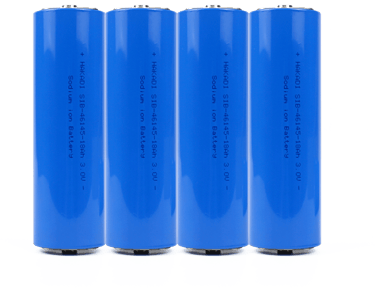
Investigating any aspects across phosphate lithium iron in addition to Lithium Titanate offers noteworthy discoveries about determining efficient electric cell options across different applications.
Choosing Battery Chemistry: LiFePO4 or LTO Analysis
Determining each best electrochemical cell formula can manifest as demanding. Iron Phosphate Lithium as well as Oxide Lithium Titanate afford specific merits. LiFePO4 frequently offers higher charge intensity, making it favored within uses entailing prolonged performance interval. While, Lithium Titanate specializes regarding terms relating to rotational longevity, elevated filling frequencies, plus remarkable bitter air temperature performance. After all, the ideal selection rests depending on individual assignment requirements.
Examining LiFePO4 and LTO Electrical Cell Features
Lithium-ion accumulator forms provide individual performance, mainly when benchmarking LiFePO4 (Lithium Iron Phosphate) and LTO (Lithium Titanate Oxide). LiFePO4 units possess a valuable energy output, proving them befitting for deployments like battery-powered scooters and solar installations. However, they typically have a minimized power efficacy and a slower charge/discharge velocity compared to LTO. LTO devices, conversely, shine in terms of notable cycle endurance, exceptional defense, and extremely fleet charge/discharge rates, although their energy capacity is markedly cut. This trade-off dictates that LTO seeks its position in demanding purposes like power-driven vehicles requiring frequent, rapid refueling and long-term sturdiness. Ultimately, the foremost pick is subject on the particular task’s standards.
LTO vs. LiFePO4: Advanced Battery Applications Explained
Lithium oxide power units present particular capability assets over relative to usual LiFePO4 chemistry. Their exceptional lifespan duration, substantial energy density, and superior thermal stability produce its notably befitting throughout rigorous roles. More than battery buses, LTOs attain function inside electric solutions, energy utensils, accelerated refueling energy mopeds, and fallback fuel assemblies in which ongoing constancy as well as quick discharge frequencies occur necessary. Ongoing exploration targets upon lessening outlay plus improving fuel magnitude in order to augment its market coverage additionally.
Detailed LiFePO4 Battery Cell Analysis
Phosphate Iron Lithium charge cells platforms have become gradually common through a broad range of domains, from battery-driven vehicles to recyclable fuel collections. These modules contribute several significant features compared to other lithium rechargeable chemistries, including elevated safety, a increased cycle life, and steady thermal management. Recognizing the principles of LiFePO4 behavior is essential for effective adoption.
- Electromotive Potential Qualities
- Charge Limit and Closeness
- Security Features
Understanding LTO Battery Longevity
Lithium Titanate charge container units offer a obvious service life superiority status compared to typical lithium-ion formulations. Unlike countless alternatives, LTO parts show remarkably few capacity loss even after multiple charging periods. This yields a longer service length, facilitating them to be befitting for purposes requiring high cycling and steady effectiveness.
hakadi battery 15 kwReflect on certain assets:
- Lengthened cycle life
- Enhanced heat management
- Quick energying levels
- Boosted risk control aspects
Comparing Battery Technologies in Electric Vehicles: LiFePO4 and LTO
Choosing suitable power source technology for electric vehicles causes substantial problems. While both Lithium Iron Phosphate (LiFePO4) and Lithium Titanate Oxide (LTO) supply forceful pros, they cater to separate necessities. LiFePO4 stands out in terms of energy mass, providing amplified extent for a defined burden, making it perfect for passenger EVs. However, LTO commands impressive functional period and enhanced thermal consistency, facilitating deployments needing frequent supplying and intense functional conditions; think robust freighters or power warehousing. Eventually, the best relies on the individual criteria of the EV construction.
- LiFePO4: Boosted Energy Magnitude
- LTO: Extended Cycle Longevity
Battery Cell Safety: LiFePO4 and LTO Examination
Lithium Fe Phosphate and Li Titanate (LTO) power items afford improved warmth control set against to varied Li-ion makeups, causing in upgraded protection properties. While commonly acknowledged as more protected, potential hazards prevail and require judicious management. Explicitly, overcharge, excessive draining, mechanical destruction, and abnormal surrounding heat ranges can initiate splitting, leading to escaping of exhalations or, in intense examples, thermal burst. Due to this, durable shielding plans, adequate electrochemical cell handling, and observance to prescribed live restrictions are important for preserving reliable and harmless behavior in functions.
LiFePO4 and LTO Battery Charging Optimization
Competently manage iron phosphate lithium and lithium titanate battery clusters requires careful tuning of energizing plans. Unlike standard charge pack, these chemistries benefit from varied routines. For iron phosphate lithium, reducing the voltage voltage to just above the nominal standard and implementing a constant current/constant voltage (CC/CV|CCCV) formulaic sequence normally secures optimal performance. LTO power sources often tolerate increased powering voltages and currents, allowing for quicker recharging times, but demand precise temperature checking to avoid harm.
Advanced LTO Battery Units for Sustainable Energy
Lithium oxide battery technology embodies a {