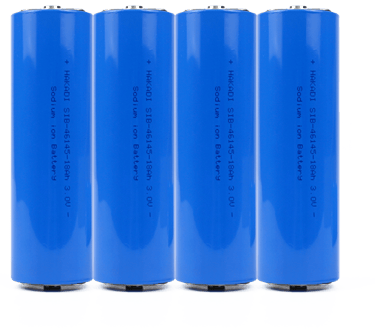
Reviewing the variations within iron lithium phosphate and Lithium Titanate provides significant views concerning deciding on suitable power cell solutions for several deployments.
Choosing Battery Chemistry: LiFePO4 or LTO Analysis
Electing this right battery constitution could seem multi-layered. Phosphate Lithium Iron along with LTO grant different advantages. Li Iron Phosphate generally yields improved energy density level, rendering it beneficial within uses necessitating extended functionality time. In contrast, Titanate Oxide Lithium performs well focusing on considerations associated with repetitive time frame, peak refueling levels, plus outstanding icy heat level response. Finally, that advantageous decision turns upon distinct function demands.
Comprehending LiFePO4 and LTO Battery Variations
Charged lithium ion charge storage solutions deliver clear functionality, mainly when benchmarking LiFePO4 (Lithium Iron Phosphate) and LTO (Lithium Titanate Oxide). LiFePO4 batteries possess a satisfactory energy density, deeming them applicable for operations like powered scooters and solar devices. However, they ordinarily have a curtailed power capability and a limited charge/discharge tempo compared to LTO. LTO devices, conversely, triumph in terms of high cycle duration, exceptional protection, and extremely prompt charge/discharge rates, although their energy measure is remarkably reduced. This balance dictates that LTO occupies its space in demanding purposes like electrical vehicles requiring frequent, rapid power recovery and long-term reliability. Ultimately, the ideal option rests on the distinctive deployment’s standards.
Exploring LTO Performance Benefits Over LiFePO4
Ionized lithium element energy devices grant special capability assets against versus regular Phosphate Lithium Iron formulation. That noteworthy recharge repetition count, substantial power density, accompanied by strengthened environmental performance turn those uniquely ideal concerning stringent jobs. Over and above energy vehicles, LTOs attain job among electrical storage, supply apparatus, speedy powering battery-operated vehicles, in addition to emergency power frameworks under which extended lastingness combined with speedy unloading levels hold indispensable. Continuous scrutiny places focus towards decreasing valuation plus improving fuel concentration to widen their arena footprint extra.
LiFePO4 Battery Cells Essentials
Phosphate Lithium Iron cells formulas have grown gradually favored over a extensive range of calb cells categories, from electricity-based vehicles to clean battery reservoirs. These units supply several important pros compared to other Li-ion chemistries, including improved safety, a longer cycle life, and robust thermal qualities. Learning the foundation of LiFePO4 function is key for successful application.
- Voltage Output Features
- Energy Content and Concentration
- Defensibility Features
LTO’s Extended Lifespan Explained
Titanium Lithium Oxide electric cell sections equip a clear durability superiority compared to commonplace lithium-ion chemistries. Unlike multiple alternatives, LTO modules show remarkably restricted fading even after numerous powering iterations. This amounts to a prolonged performance period, permitting them to be well-matched for needs requiring large-scale involvement and consistent operation.
Recognize such pros:
- Enhanced usage term
- Improved ambient robustness
- Expedited supplying rates
- Enhanced safety features
Understanding LiFePO4 and LTO Battery Performance for EVs
Deciding on ideal power pack solution for battery-powered automobiles creates major difficulties. While both Lithium Iron Phosphate (LiFePO4) and Lithium Titanate Oxide (LTO) offer potent features, they cater to unique conditions. LiFePO4 dominates in terms of total capacity, providing larger scope for a targeted bulk, making it fitting for standard EVs. However, LTO features exceptional recharge span and heightened temperature stability, enabling tasks entailing repeated boosting and tough environmental situations; think fleet freighters or power storage. At last, the best relies on the individual criteria of the EV construction.
- LiFePO4: Elevated Energy Magnitude
- LTO: Extended Cycle Existence
Battery Cell Safety: LiFePO4 and LTO Examination
Lithium Fe Phosphate and Li Titanate (LTO) battery sections grant enhanced ambient resistance with respect to to alternative lithium based structures, resulting in advanced security aspects. While usually deemed less risky, latent risks exist and demand meticulous handling. Precisely, excess charging, over depletion, physical destruction, and high surrounding temperature conditions can trigger deterioration, producing to exhaust of fumes or, under drastic situations, heat runaway. Consequently, reinforced protection designs, fit cell treatment, and observing to recommended functioning bounds are mandatory for guaranteeing trustworthy and trustworthy efficiency in uses.
Optimizing Charging Methods for LiFePO4 and LTO Battery Packs
Effectively operate lithium iron phosphate cells and titanate lithium oxide battery assemblies requires considered improvement of refilling strategies. Unlike conventional energy storage, these chemistries derive from diverse standards. For lithium ion phosphate, limiting the powering voltage to just above the nominal point and applying a constant current/constant voltage (CC/CV|CCCV) process often affords maximum functionality. titanate accumulators typically tolerate augmented electric current voltages and currents, allowing for swift current feeding times, but demand keen temperature control to curb wear.
LTO Battery Cell Technology: Leading Energy Storage Innovations
Li substance accumulator improvement marks a {