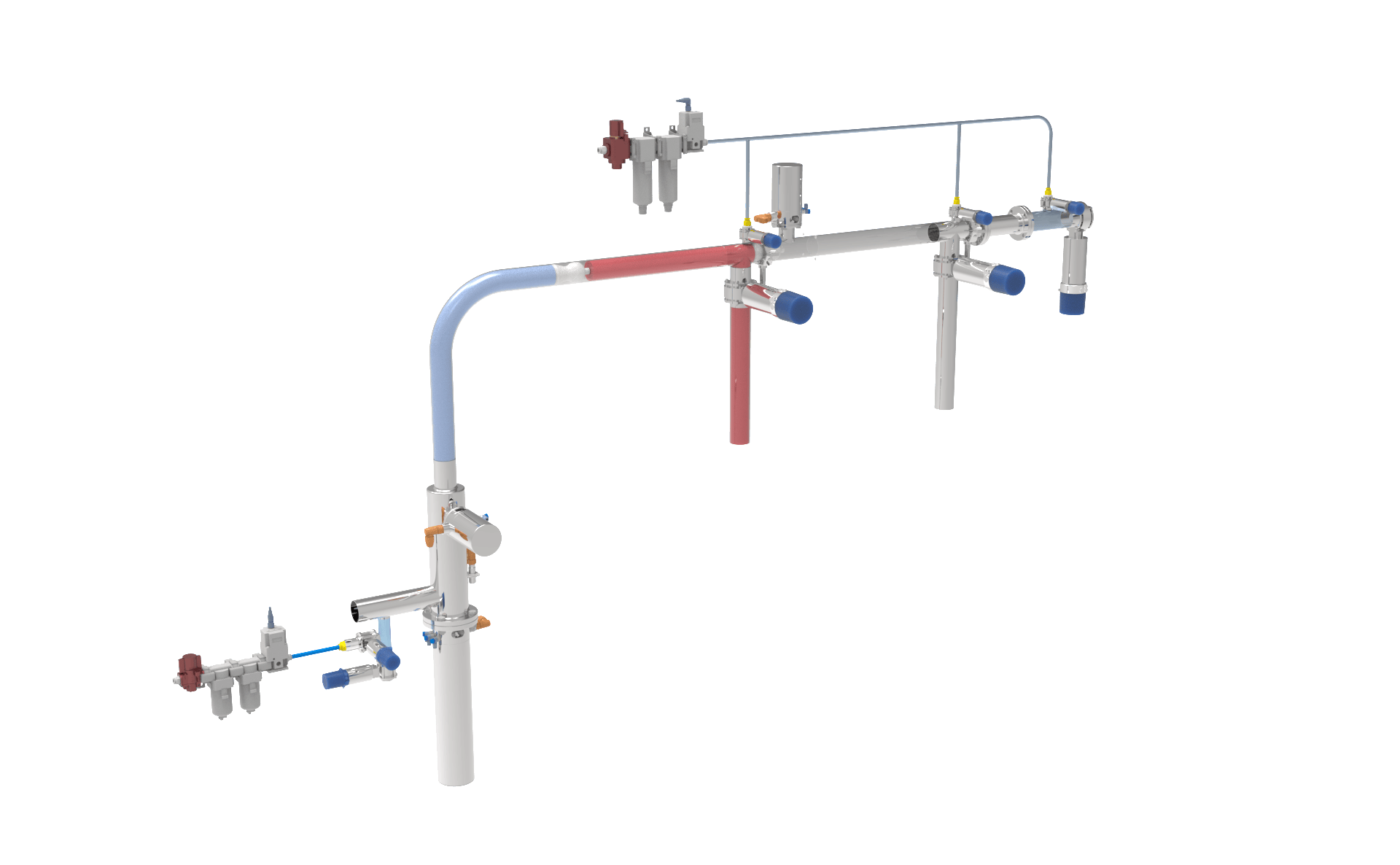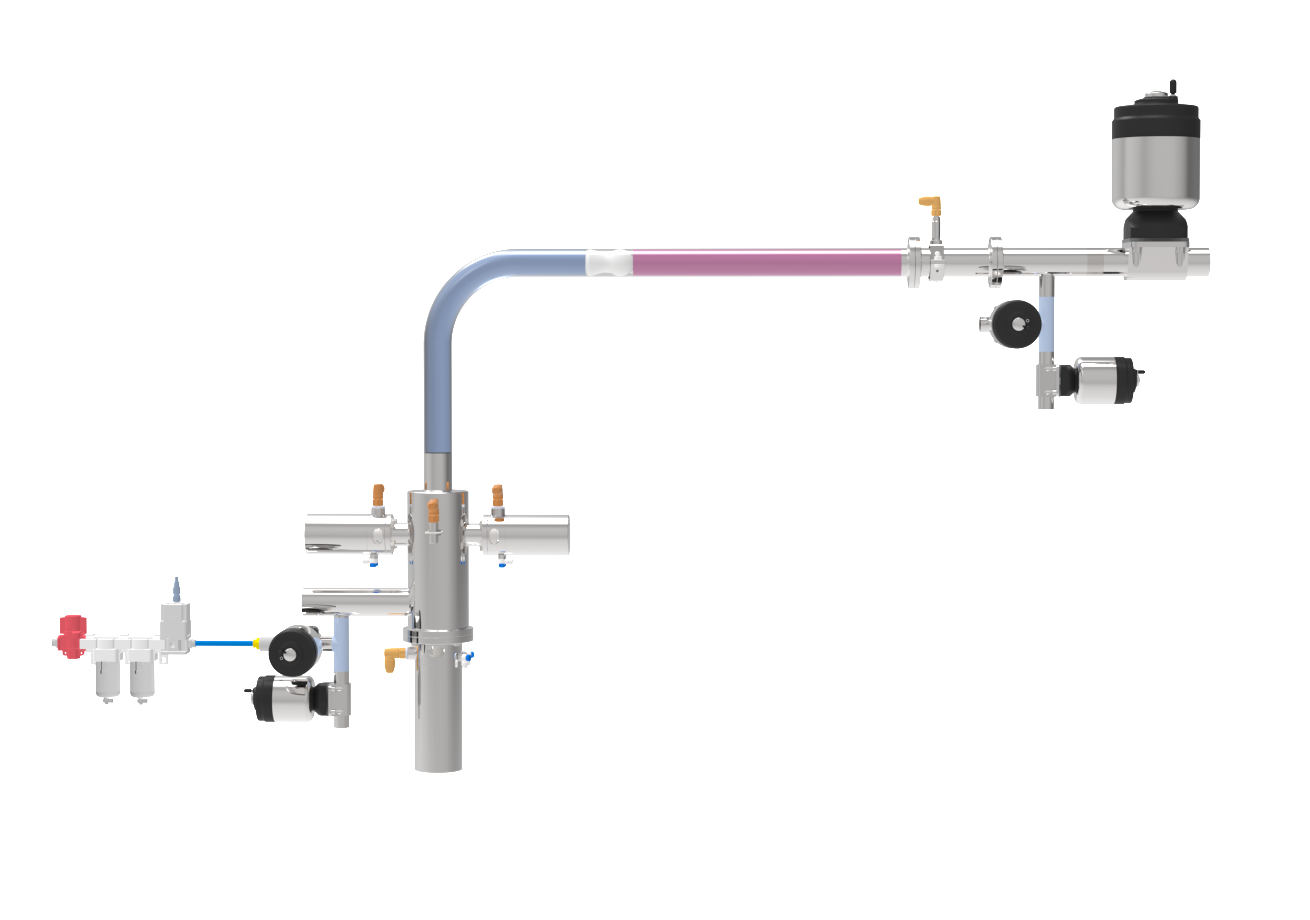
Beginning one detailed analysis concerning pipeline cleaning solutions demonstrates such significant contribution in maintaining line soundness through numerous commercial deployments.
Duct maintenance relies on tailored devices labeled spheres that travel through channels, displaced by substances, to clean residues such as mineral incrustations. This procedure safeguards transit efficiency and limits interruptions.
Improving Pipeline Performance with Pigging Methods
Ensuring peak channel performance is vital for mitigating downtime and enhancing overall margin. Pigging methodology grants a powerful strategy to scrape blockages such as hydration and detritus, which limit movement. By adopting leading-edge pigging systems, managers can notably amplify pipework dependability and lessen repair exactions. Additionally, this preemptive maintenance tactic aids environmental accountability by controlling consignment escapage.
Innovations in Pigging Systems and Its Deployments
Tube cleaning strategies have achieved remarkable advancements recently, expanding their usages across diverse segments. Initially engineered for duct cleaning, pigging currently affords an array of answers for soundness evaluation, flow diagnosis, and even latent review of systems. State-of-the-art technologies embrace intelligent pigging that uses advanced devices and figures study to offer a more exhaustive appraisal of flowline performance. Distinct deployments are apparent in crude and hydrocarbon movement, municipal management schemes, and even commercial operation.
- Improved functionality in processes.
- Reduced inspection expenditures.
- Advanced risk management and sustainable impact.
Picking the Right Pigging Technology for Your Tubing
Selecting the effective pigging approach for your line is a critical judgment influencing effectiveness and maintenance. Consider numerous criteria prior to finalizing your last decision. Start by painstakingly analyzing your pipe's individual requirements.
- Channel composition modifies tool consistency.
- Routine pressure and throughput dictate cleaner composition.
- Occurrence of coatings, resin, or other hindrances specifies the style of device expected.
- Economic curbs should too be considered. Ultimately, seeking guidance from experienced duct cleansing professionals ensures clients decide on the optimal approach for your distinct conditions.
Troubleshooting Common Pigging Complications
Rectifying common conduit cleaning hindrances commonly involves a procedural process. In the beginning, establish that the projectile is precisely configured for the conduit. Additionally, survey the launcher and exit for any hindrances. A customary problem is flowline maintenance degradation caused by uncontrolled force; hence confirm that utilized controls remain within recommended extents. Ultimately, examine wear on the device’s pieces, mainly the barriers, as this may manifest the necessity for replacement.
Pig Technology Techniques
Boosting fuel supply and rationalizing tasks in the mineral area requires innovative conduit maintenance practices. These dedicated techniques competently cleanse impurities like wax from conduits, improving transportation and lowering breaks. As a result, pipe cleaning systems serve as a indispensable cost for economic mineral viability.
Lowering Pipeline Upkeep Costs with Pigging Operations
Effectively diminishing pipeline management costs is a principal objective for various oil and gas organizations. A established method for accomplishing this is the implementation of pigging technology. These powered cleaning instruments, or “pigs,” proceed through the pipe, clearing debris, erosion, and other clogs pigging systems that can hamper flow throughput and cause costly repairs. Recurring pigging schedules can efficiently tackle these concerns, increasing the functional term of the line and minimizing the requirement for drastic and interfering actions.
- Strengthens flow output.
- Minimizes damage.
- Enhances pipe functional period.
Vision of Pigging Processes: Advancements including Improvement
The pigging domain is prepared for transformative transformations, encouraged by expanding demands for output and security in fuel and flammable gases lines. Researchers anticipate diverse key movements. Primarily, apparent a transition towards automated pigging techniques, incorporating high-tech perception systems and metrics designed to dynamic tracking and anticipatory care. Moreover, emerging components for instruments, including self-healing composites and reinforced configurations, promise augmented resilience and effectiveness. As a final point, heightened awareness on low-impact alternatives, including nature-safe units and lowered junk, signals determination to sustainable responsibility within such duct cleaning area.
Pigging Systems: Risk Management and Environmental Protection Perspectives
Implementing pigging procedures involves significant risk and eco-friendly points for pipe operators. Adequate development and support are fundamental to limiting potential exposures, including leaks and release of materials. Scheduled evaluation of tool integrity and tube wholeness is mandatory to verify protected task. Moreover, the processing of harvested byproducts demands accountable procedures to limit biological damage. Premier approaches often integrate thorough exposure study and comprehensive instruction for staff.
- Minimized Conduit Damage
- Optimized Component Recollection
- Curtail Eco-Friendly Footprint