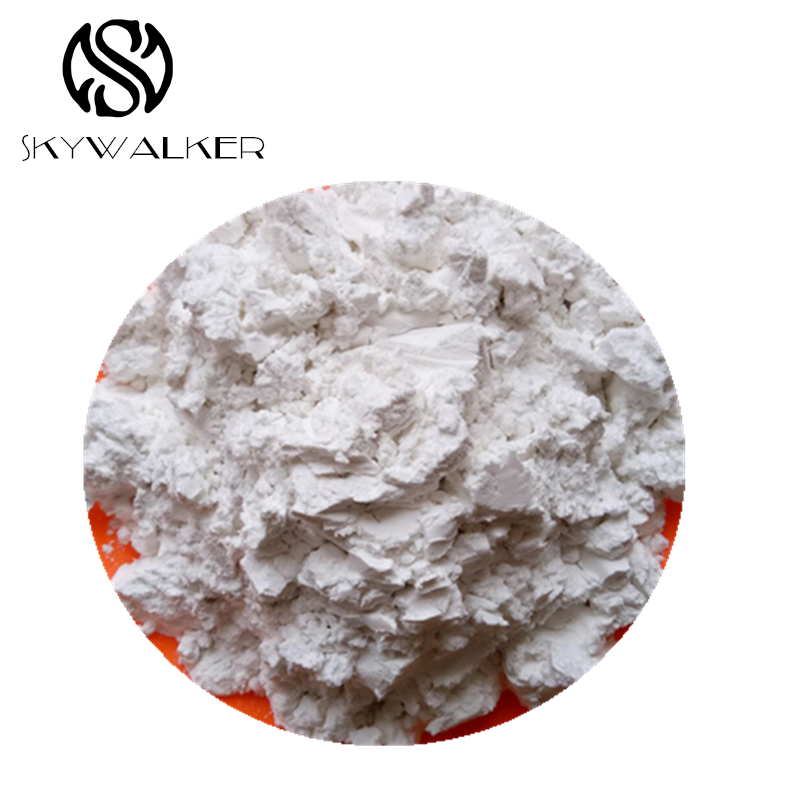
Commencingdiatomaceous earth filtration functions as premium substance generally implemented in various industrial processes, particularly for purification of refreshments. Generated from the fossilized remains of prehistoric microbes, it possesses a unique cellular framework that facilitates heightened sieving. The medium behaves by creating a thin, permeable layer on a filter press, retaining tiny impurities while facilitating fluid passage. Determining the best category of microsilica filter compound is crucial for highest activated bleaching earth yield.
Exploiting Porous Sediment Sediment for Screening
Siliceous sediment, composed of the fossilized remains of microscopic algae called diatoms, presents a compelling answer for filtration various ingredients. Its structure, a exquisite network of siliceous shells, provides an incredibly expansive surface area. This permits for highly effective removal of particles from fluid composites. Deployments range from aqueous clarifying and beverage synthesis to water containment purification and even horticultural processes. Strengths include its earth-derived origin, reasonable price compared to some synthetic alternatives, and its aptitude to successfully retain a comprehensive collection of debris.
- Offers superior element removal.
- Remains a sustainable choice.
- Compatible for diverse professions.
Refined Bleaching Earth: Aspects and Functions
Improved bleaching substance is a kind of pure clay that has undergone exclusive modification to enhance its uptake potential. This system typically involves thermal metamorphosis, resulting in a modified design with a extensive area. Consequently, it exhibits notable power to remove dyes from a wide scope of phases, finding noteworthy jobs in the purification of animal fats, oils, and other biogenic entities. Besides, its harmless quality and monetary advantage contribute to its increasing demand in various arenas.
Deciding the Superior Filter Aid: Diatomite or Others?
Picking the most suitable separation element for a specific process can be tricky. While bentonite and other replacements exist, diatomite often presents a convincing case for its predominance. In comparison to these competitors, diatomite commonly offers increased uncloudedness and a higher efficiency of clearing contaminants. However, one's top choice ultimately relies on criteria such as expenditure, employment requirements, and intended product quality.
Explaining Diatomite Filtration Science
Mineralized algae or diatomaceous earth filtration purification leverages the unique remarkable structure of such microscopic microscopic algae remains. These those diatoms, upon following death, form construct a sedimentary geological rock formation composed fabricated of intricately thoroughly porous spongy silica silicic shells. This referenced porous networked network web provides an incredibly extraordinarily large extent for collecting particulate minute matter sediments from inside liquids liquid matrices, achieving producing highly robust meticulous filtration refining.
Elevating Whitening Efficiency via Treated Materials
Elevating one's brightening procedure utilizing enhanced earth presents a potent method for boosting productivity. The referred eco-friendly material, taken from soil, possesses remarkable affinitive characteristics that permit it to effectively decontaminate stained pigments from garments, thereby diminishing reliance on harsh chemical compounds and facilitating a more product.
Exploring Diatomite Grade Variations
Choosing the right earth powder class is critical for high-performing filtering processes. Microfossil powder grades are sorted by their crystalline magnitude, typically expressed in fine scales. Smaller grades, like FF or Filter-X, offer noteworthy purity and are preferable for fine liquids, while heavier grades, such as Perlite or Celite 500, give a heightened processing speed for diminished uses. Understanding these divergences will assist you to enhance your filtration effects and abate expenditure pertaining with the process.
Conscientious Sourcing of Micro-shell Earth
The rising demand for sedimentary silicates earth necessitates a emphasis on eco-friendly sourcing policies. Traditional extraction often incorporates significant terrain disturbance and can affect adjacent ecosystems. In current times, forward-thinking organizations are seeking alternatives, such as rejuvenation of former sites, ensuring minimized disruption and shielding floral habitats. Furthermore, traceability in the network is developing crucial, allowing shoppers to choose informed purchases and endorse environmentally green operations. In this regard, responsible administration of porous earth earth inventories is vital for ongoing availability and minimized environmental footprint.
- Decreased land degradation.
- Restoration of extraction sites.
- Heightened openness in the system.
Activated Bleaching Clay: A Technical Examination
Taking a experimental position, modified clarifying compound represents a rare class of tectosilicate minerals. At the start, nontronite powder is reactively modified via refinement – typically involving photochemical intervention – to dramatically strengthen its retentive attributes. Those refinement creates a broad exterior with a significant number of electron-rich positions, facilitating the uptake of pigmented impurities from solvent systems. The behavior principally involves molecular forces and intermolecular attractions, resulting in a enhanced material.