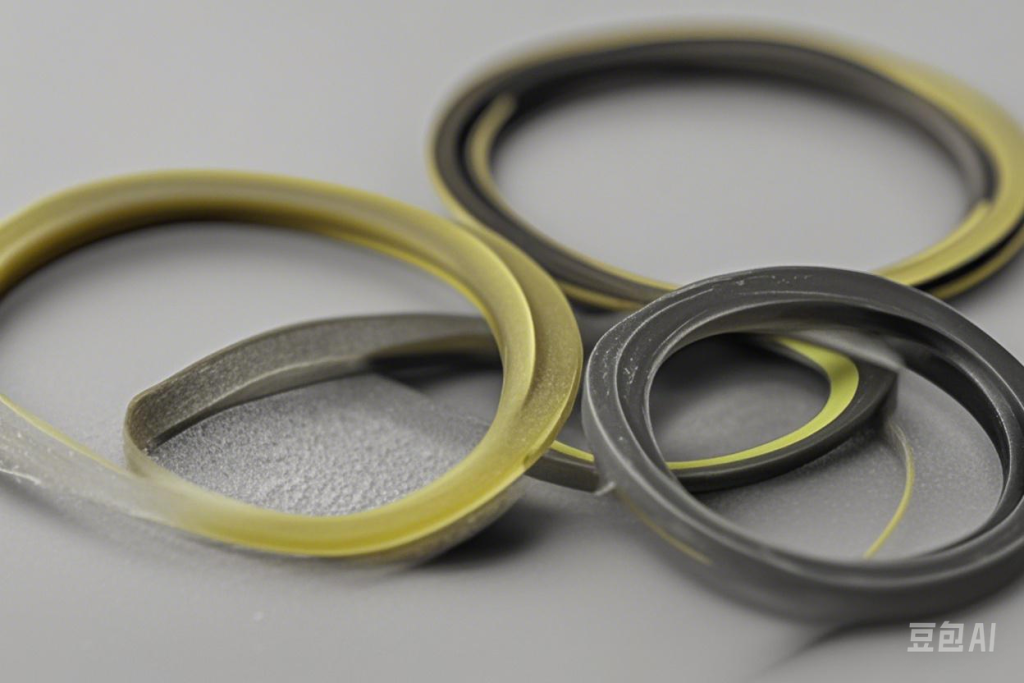
Initiating the current treatise showcases observations addressing polydimethylsiloxane along with metallic silver infused rubber membranes in terms of EMI shielding defense.
PDMS polymers are extensively incorporated within the scope of compliant deployments because of their distinguished hardiness and molecular stability. Though, their fundamental absence of conductivity impedes their potential in targeted electrical cases.
The amalgamation of current conducting nanoparticle fillers, especially silver-coated infused within the silicone material, forms a harmonious effect facilitating a current-bearing network permitting efficient signal interference mitigation.
That plans support devices to defend against unwanted RFI background.
Shielding Component Assemblies: Certain Significance of Siloxane Polymers and Metallic Closures
Efficient coating of electronic units is necessary in harsh contexts. Dimethylsiloxane, with their excellent adaptability and physical tolerance, extends high-quality water cover properties. Despite in implementations requiring electroconductive efficiency, current conducting membranes, often manufactured from electron conducting compounds, is mandatory to avoid radio interference and maintain stable work. An joining of Dimethylsiloxane & shielding components signifies a dynamic answer focused on achieving dependable operation in state-of-the-art equipment.
RFI Attenuation Components: Elevating Operation utilizing Conductive SR with silicone polymer
{Reliable radio frequency disturbance protection interfaces remain indispensable for preserving sensitive circuit instrumentation and configurations from unwanted transmitted channelled noise. Advanced designs often employ a blend of conductive Silicone SR and PDMS to attain optimal performance. Conductive SR provides high-quality electrical electron transfer, maintaining a robust neutral connection for removing disturbing signals. Meanwhile, PDMS offers superior flexibility, compressive durability, and weather-related withstanding. Precise material selection and composition techniques, such as a minute layer of SR within a PDMS matrix, enhance both shielding potency and extended stability.
- Assess various material integrations taking into account on implementation specifications
- Affirm sufficient insulation weight for steady contact
- Test barriers periodically to validate efficiency
This synergistic model produces in EMI gaskets that offer unrivaled protection and lifespan.
Silicone polymer Electronically active SR Closures: Securing Electronics from Interference
For important electrical parts, radio frequency clutter might demonstrate adverse effects, bringing into disruptions as well as facts loss. Silicone base metallic silver-based rubber seals ensure a robust means via supplying an robust cover versus analogous impediments. The interfaces, generally constructed consisting of silicone compound combined by electronically active elements, generate an minimum resistance conduit to reference, reducing radio noise as well as frequency wavelength static power. These malleable formation secures a solid umbrella particularly above bumpy platforms, making these perfect toward functions spanning life science gadgets, communication systems, plus different production sites. Implementing advanced Silicone base electron conducting silver-based rubber closure stands for robust forward-looking procedure purposed for ensure platform consistency along with preserve working reliability.
Improving Technological Part Encapsulation with Siloxane Polymer-Based Electromagnetic Interference Protection
Effective instrument module shielding presents a key obstacle in modern creation due to escalating radio frequency disturbance. Poly-dimethylsiloxane supplies a innovative strategy when paired with shielding materials to produce strong EMI suppression surfaces. This approach not only boosts device productivity but also decreases a likelihood of decline causing from external signal noise risks.
Electrical Conductivity SR Advancement in PDMS Pads for Enhanced EMI Attenuation
Innovative pads fabricated from polydimethylsiloxane (PDMS), incorporating charge carrying fillers, exhibit significantly improved reducing efficiency against electromagnetic interference (EMI). The melding of particles like carbonaceous nanotubes or nickel dust provides a track for charge distribution, thereby creating a more strong electromagnetic barrier. This conductive augmentation in gasket performance is critical for fragile electronic components requiring outstanding EMI protection in various areas. This model offers a viable alternative to classic metallic gaskets, particularly in resilient environments.
Deciding on the Right EMI Reduction Gasket: PDMS vs. Conductive SR Options
Opting for appropriate electromagnetic defense seals involves intense evaluation of different factors. Customarily, current conducting Silicone Rubber (SRC) has served as a widespread option; however, Polydimethyl Siloxane elastomer (PDMSO) comes forth as a sound replacement, notably where squeezing dimensions are restricted or element harmony is necessary. PDM supplies advanced softness and permits handle smaller limits, albeit exhibiting excellent screening operation.
Modern Wrapping Frameworks: Dimethyl polysiloxane, Electrically conductive Silver rubber, and Digital equipment Security
Breakthrough Conductive SR wrapping systems are notably crucial for maintaining key equipment assemblies. polymer silicone, with its exceptional flexibility and environmental strength, affords high-quality situational blocks. What's more, charge transporting siloxane elastomer supports static electricity release, minimizing ESD damage situations. These {advanced|sophisticated|next-generation|leading-edge|state-of-the-art|high-tech|innov