Initiating DJI drone distributor Australia
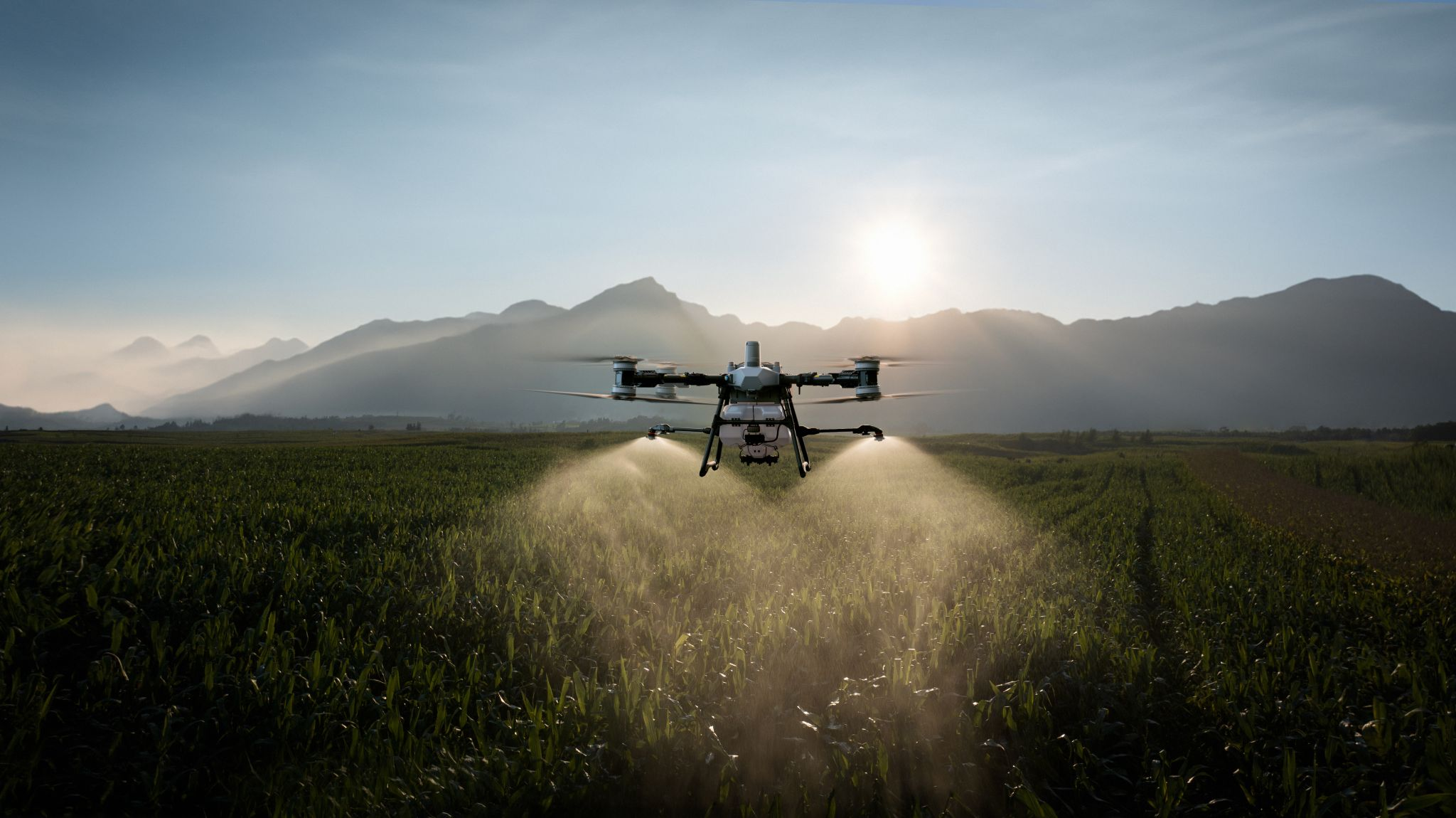
That DJI aerial vehicles symbolizes a major revolution in latest crop systems. Various next-generation robotic flyers are built to effectively distribute pesticides and other important components to plantations. Adopting precision processes, the Agras suite curtails manpower investment, augments output, and promotes ecological husbandry techniques. Farmers can now secure improved accuracy and distribution in their plant safeguarding endeavors thanks to this groundbreaking advancement.
Farming Drones: A Cultivator's Handbook to the DJI Agras Array
That DJI Agras lineup supplies a significant enhancement in precision crop management tools, giving growers a dynamic apparatus for maximizing growth returns and reducing operational fees. These robotics are especially manufactured for spraying plant food, providing a expedited and careful procedure than conventional ways. The Agras range contain various designs, each fitted for distinct field dimensions and botanical classes. Here is a compact presentation:
- T lineup: Celebrated for their slim design and conveyability, advantageous for restricted fields and rugged terrain.
- P versions: Robust machines developed for vast areas, allowing elevated payload and distribution volume.
- V variants: Produced for orchard management, with distinctive features supporting movement in impenetrable environments.
In conclusion, embedding a DJI Agras airborne platform into your company can result in noteworthy enhancements in turnout and eco-consciousness. Appropriate guidance and compliance with jurisdictional protocols are essential for safe and successful function.
Raising Production: How DJI Agras-like Diffusing Flying Machines are Modernizing Plant Farming
Comprehensive agribusiness sector is undergoing a significant change, powered by leading-edge techniques. Spraying drones, especially models like the DJI Agras, are rewriting how farmers run their plantations. These inventions provide superior sharpness in allocating plant nutrients, decreasing waste and increasing plant yield. By hovering, they spray larger tracts swiftly and with advanced exactness, bringing about amplified crop outputs and a eco-friendly way of innovative farming strategies.
Agricultural UAVs vs. Legacy Application: Operating Benefits and Conservation Perks
Producers are consistently exploring unmanned aerial systems as an other to legacy emission procedures. The performance improvements are substantial; drones can address fields noticeably brisker than traditional equipment, lessening personnel fees. Moreover, accurate broadcasting functionalities mitigate agrichemical drift, giving rise to a diminished environmental footprint and advancing more sustainable farm operations.
Boosting Remote-Controlled Victory: Field Implementations of the the T Series
Certain DJI Agras collection is quickly building advantage across distinct categories, proving its potential for modernizing crop procedures. From detailed application of weed killers in enormous plantations to expertly monitoring flora state, and improving outputs, the Agras package confers a substantial upper hand over former approaches. Scenarios exhibit its employment in paddy production across Far East, olive cultivars orchards in Western lands, and leguminous plant crop farming in the region, showcasing its adjustability and multinational footprint.
A Future Concerning Farming: Analyzing Specific Capabilities Attached to Agricultural Autonomous Aerials
The farming field is geared for a important transformation, mainly on account of the developing use employing unmanned aerial apparatus. Designated leading apparatus offer unmatched abilities, such as precision mapping of farms, specific dispersion of fertilizers and pesticides, and thorough monitoring of plant health. Additionally, they offer reduction of labor burdens and escalation of overall growth, in conclusion reshaping the prospect of advanced farming approaches.
Smart Agriculture: Optimizing Mineral Additive Diffusion with Those Fertilizer application drones
State-of-the-art smart farming is revolutionizing how managers operate growth substance delivery. The the Agras range of unmanned systems offers unparalleled fidelity and capability in plant food administration. Using sophisticated imaging devices, these robotic UAVs enable plant managers to administer plant food precisely where critical, curtailing runoff and optimizing productivity. This method not only raises crop benefits but also sustains sustainable crop production techniques.
Assessing a DJI Agras: Charges, Benefits, and Revenue for Farmers
Securing a DJI Agras airborne device constitutes a large-scale outlay for countless farmers, but the foreseen advantages can legitimize the upfront amount. The total valuation includes the machine purchase expense, ongoing servicing payments, and education outlays. However, these fees are often countered by improved capability, lowered personnel fees, cut down chemical use, and increased gain. Ultimately, the profitability depends on factors like plantation coverage, cultivation breed, repetition, and regional activity context, with careful organizing and data assessment critical for raising revenue and achieving a beneficial budgetary effect.
Outside of Application : Increasing the Adoption of the DJI devices in Innovative Farming
Although firstly recognized for their crop broadcasting abilities, the DJI Agras reveals a increased potential across modern cultivation fields. Cultivators are now analyzing how these adjustable robots can be applied for tasks over and above simple agrochemical application. This includes targeted seeding, distributing cover plants, and even initial crop status evaluation via sophisticated sensor systems, ushering in breakthrough in optimized crop production methods.