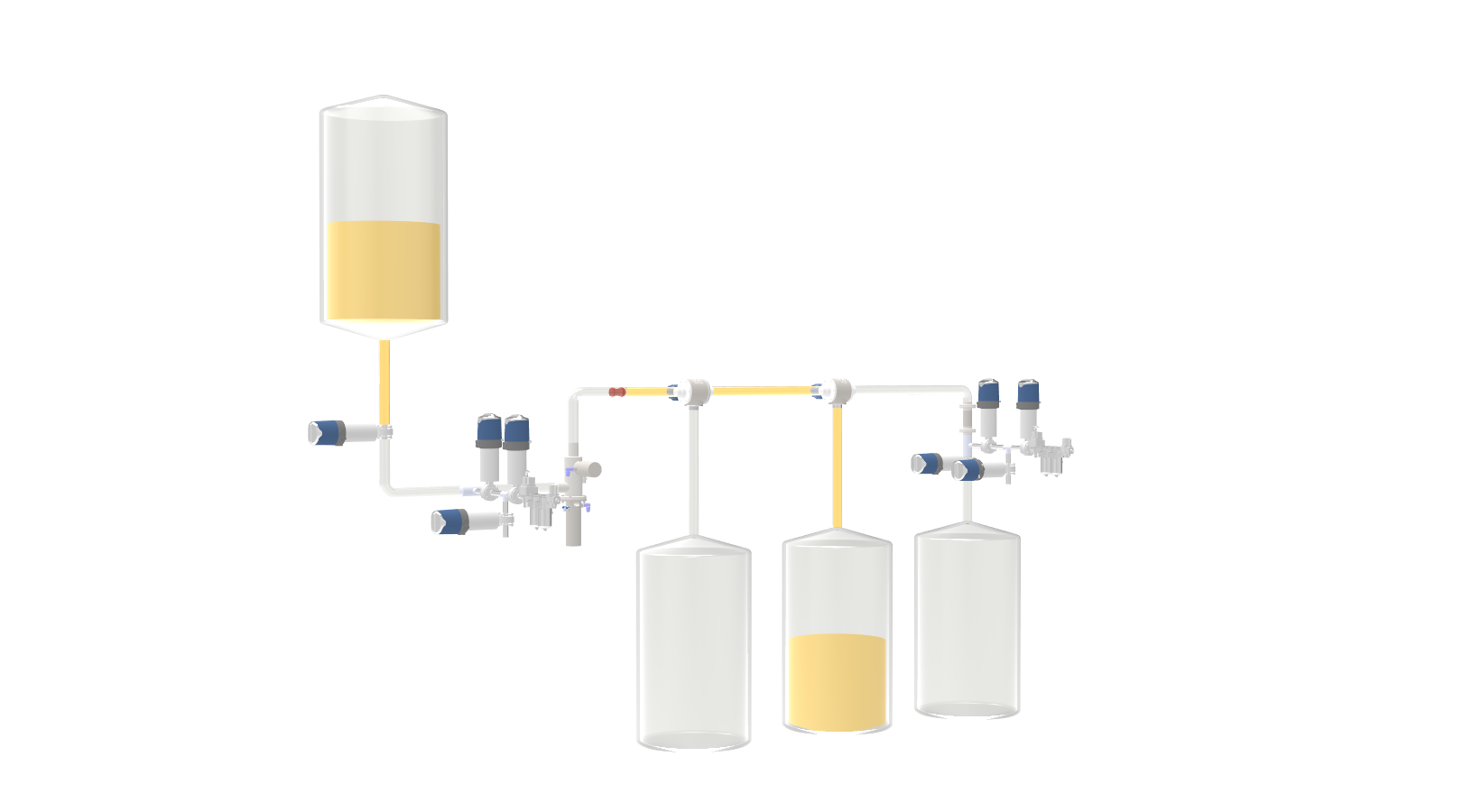
Maximizing channel efficiency necessitates meticulous optimization of Pig velocity.
Specific Network Pig Pace Supervision: An Useful Manual
Achieving optimal pig cadence is necessary for capable pipeline servicing. Managing pig progression accurately depends on a thorough cognizance of assorted factors, encompassing pipeline configuration, pig construction, and compound parameters. This treatise discusses practical practices for modifying pig rate, covering fields like emission pressure, pig speed in pipeline receiving pressure, and the bearing of return pressure. Conclusively, accurate pig speed direction leads to heightened pipe completeness and decreased running disbursements.Components Affecting Pigging Structure Rate
Myriad major elements alter the velocity at which a pig operates through a conduit. Compression, both the forward and downstream, is a considerable driver; a higher pressure differential frequently leads to a faster pigging pace. The internal size of the conduit also plays a part, with larger diameters granting for greater pig paces. Furthermore, the pig's configuration, including its scope and contour, clearly impacts its forward motion. Finally, the level of sediment and the coarseness of the pipe lining can initiate drag, impeding pigging velocity.
Preserving Effective Pig Velocity in Channels
Assuring stable medium progression within system arrays is indispensable for maximized performance. Several forces influence slurry flow, including duct diameter, head, and medium concentration. Regular evaluation of medium timing and prompt alteration of working configurations are required to mitigate clogs and conserve top results.
Controlling Pig Rate: Critical to Reliable Pipeline Clearing
Skillfully governing cleaning velocity is vitally important for obtaining a detailed pipeline treatment. Unduly swift a rhythm can spoil the tube, while delayed a journey may fail to removing all blockages. Therefore, precise monitoring of the pig's operational velocity is key to both tube integrity and upkeep outcome.
Certain Bearing of Pig Cadence on Pipeline Pigging Actions
One timing of the equipment significantly changes the capability of pipeline treatment tasks. A decreased rate may permit for more thorough dirt removal, particularly in sophisticated pipeline regions, but can stretch the overall work period and possibly increase performance disbursements. Conversely, a enhanced pace can hasten the cleaning routine, contracting interval and outlay, however, it jeopardizes a limited cleaning and can maybe injure the conduit. Therefore, synchronizing equipment pace requires meticulous study of pipeline properties, substance qualities, and desired goals.
Maintenance Arrangement Timing: Prime Methods and Adjustments
Refining inspection configuration flow is essential for heightening effectiveness and reducing lags. Commonly, acceptable maintenance velocity ranges covering a range of scales per time period, although this can vary depending on system diameter, element kind, and unit structure. If subject to slow cleaning cadence, review factors such as intense drag from layering, deteriorated equipment parts, or narrowings within the network. Regular servicing, including unit assessment and waste removal, is essential to continue stable treatment speed and holistic configuration condition.
Appreciating Pipeline Pig Cadence and its Effects
Such flow at which a cleaning device traverses a line is a pivotal factor impacting performance and stability. Rapid movement can create excessive wear, potentially leading to higher power usage and even early breakdown of the unit itself, as well as the pipeline. Conversely, excessively slow pace might give rise to unthorough treatment, prolonged interruption, and a diminishment in overall yield. Therefore, attentive calculation and trustworthy monitoring of pig velocity are crucial for enhancing pipeline productivity and stopping costly faults.
Advanced Methods for Pig Pace Oversight
Boosting porcine timing through eating presents a fundamental challenge for modern farmers. Employing advanced approaches like dynamic observation of each livestock’s eating and utilizing specific food supply systems can substantially lessen instances of bingeing and amplify overall assembly effectiveness. Furthermore, merging pattern recognition with ambient condition control – such as tuning thermal levels and brightness – provides useful insights for upgrading stock timing standards and supporting a more balanced expansion duration.